What Are the Best Wimborne Stour Valley Attractions?
Make the most of everything within reach of the Stour Valley

Wimborne Stour Valley attractions bring together Dorset’s most accessible places to visit, including historic landmarks, riverside walks, and nearby coastal and countryside destinations. For many visitors, the challenge is not what to see, but how to plan a visit that makes the most of the area.
Wimborne provides a central base for exploring these locations. Within a short drive, you can move between countryside routes, coastal settings, and well-known attractions, creating a visit that feels both varied and well-paced.
This guide highlights key places to explore, helping you plan your time with clarity and make the most of everything within reach of the Stour Valley.
Wimborne & the Stour Valley Has Everything Within Easy Reach
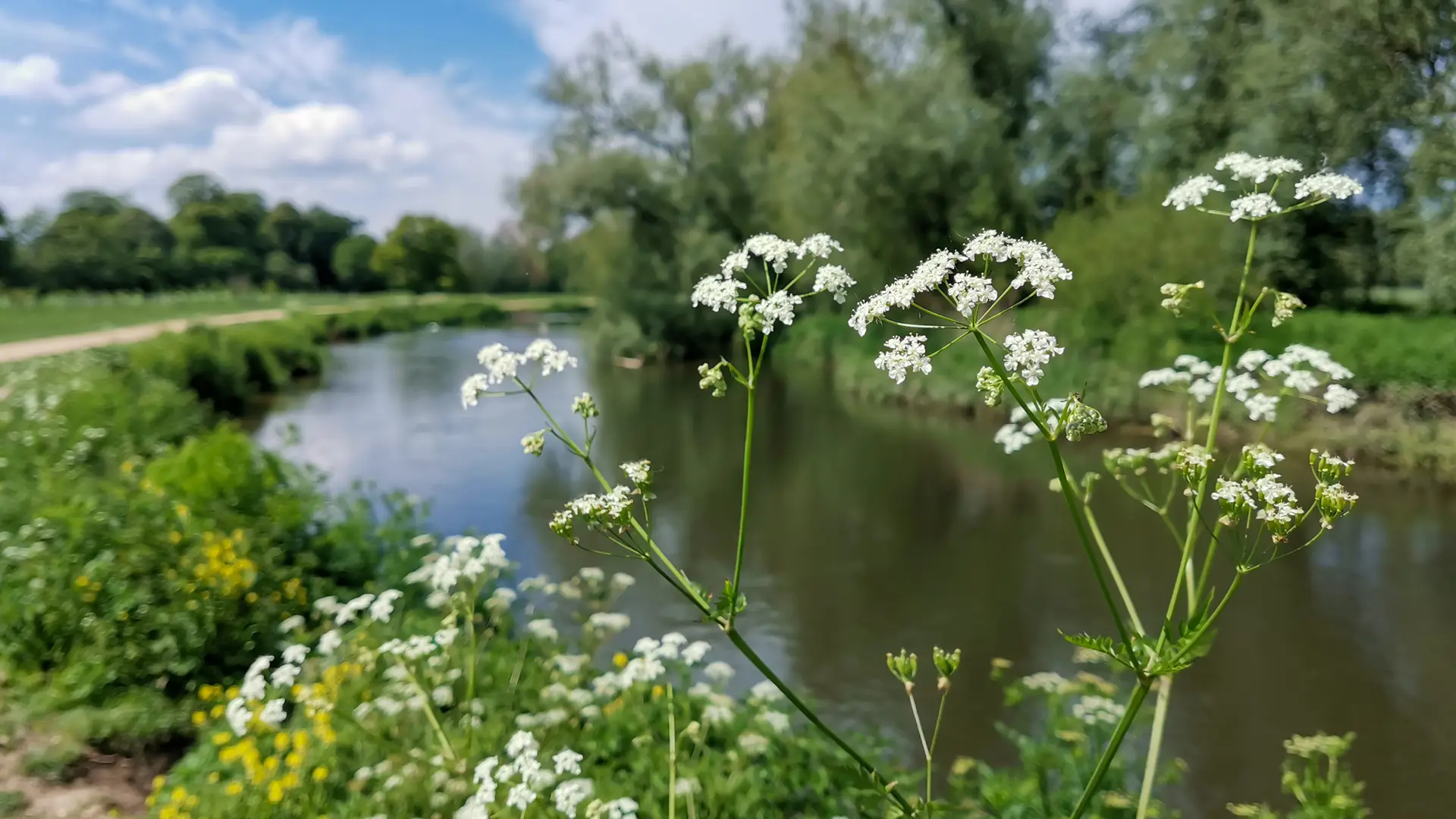
Wimborne sits at the confluence of the River Stour and the River Allen, creating a setting closely connected to both the countryside and nearby destinations. Its scale allows visitors to explore comfortably, while still accessing a wider range of locations beyond the town.
From the centre, you can reach Wimborne Minster, Wimborne Model Town, and Walford Mill before extending your visit into the surrounding valley. Extending your visit into the surrounding valley can include seasonal routes, with some of the most popular highlighted in our guide on Where to Find the Best Autumn Walks in Dorset Near Wimborne.
According to Visit Dorset, the area combines heritage, countryside, and nearby estates such as Kingston Lacy, making it suitable for both short visits and longer stays [1].
Historic Landmarks That Define the Area
Wimborne’s history centres on Wimborne Minster, known for its chained library and its long-standing role in the town. Its scale and architectural detail make it one of Dorset’s most recognisable landmarks, offering a clear sense of continuity.
Nearby, historic estates such as Kingston Lacy provide a wider perspective on the region’s past. Home to the Bankes family for over 300 years, the estate spans 8,500 acres of parkland, including woodland, formal gardens, and the Iron Age hill fort at Badbury Rings. The house was further developed in the 19th century by William John Bankes, who introduced an art collection featuring works by Rubens and Titian.
Together, these locations allow visitors to combine town and countryside within a single visit, which reflects a wider lifestyle as explored in our guide to why Park Living in Dorset Outshines Short-Term Holiday Rentals.
As outlined by the National Trust, Kingston Lacy brings together historic collections, architecture, and managed grounds as part of a wider programme of conservation and public access [2].
Explore Dorset Beyond Wimborne (Without Travelling Far)
Wimborne’s location allows visitors to explore a wider range of Dorset destinations without extended travel. From here, the surrounding area opens out to coastal towns, nature reserves, and well-known landmarks.
Popular nearby locations include:
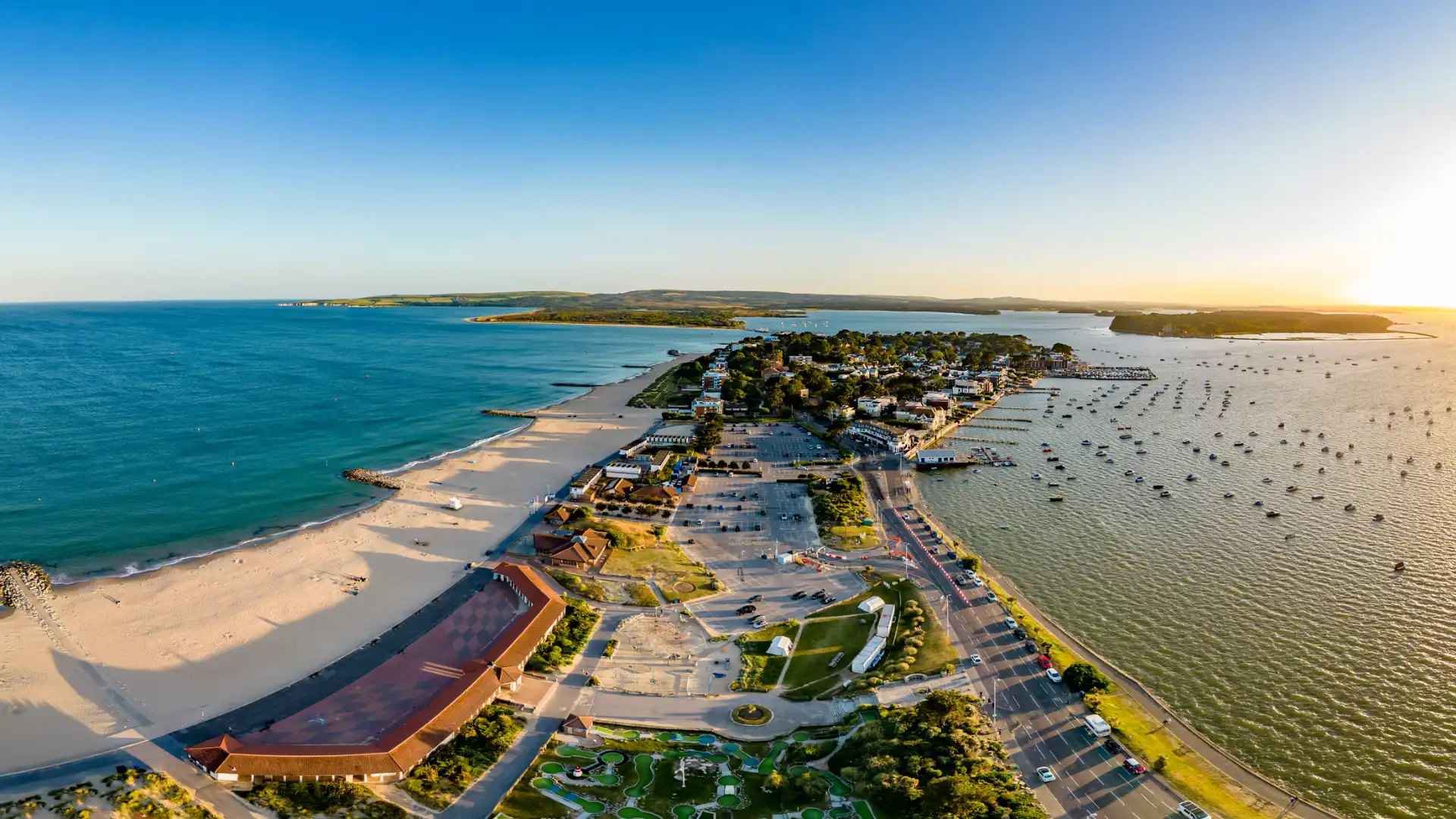
- Sandbanks Beach, known for its coastal views and clean waters.
- Bournemouth and Christchurch, which offer a mix of seaside and town centre experiences.
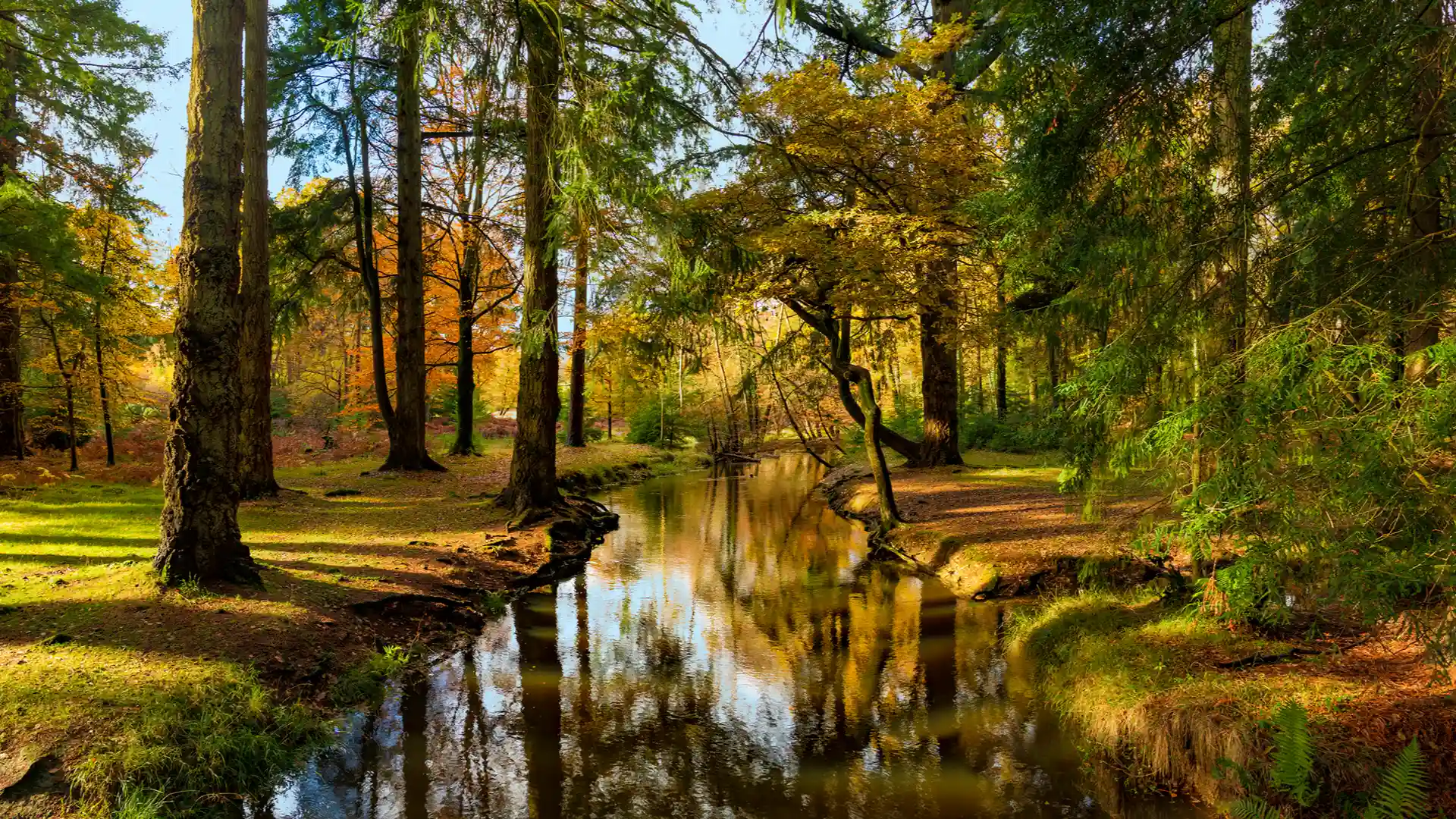
- The New Forest National Park, with open heathland and free-roaming wildlife.
This positioning makes Wimborne a practical base for exploring Dorset, supported by well-connected routes and accessible infrastructure. This makes it one of the reasons many visitors consider a longer stay, as outlined in our guide on Why Retire to Dorset for a Calmer, More Scenic Retirement.
As highlighted by VisitBritain, the area’s growing cultural profile — including its Town of Culture 2026 designation — adds further depth to the visitor experience [3].
A Year-Round Cultural Calendar Shaped by Local Events
Wimborne’s events calendar is shaped by its designation as Dorset’s Town of Culture for 2026, marking a year-long programme of arts, heritage, and community-led activity. The initiative builds on the town’s established cultural network, introducing new projects designed to broaden participation and strengthen local engagement [4].
The programme includes a range of initiatives, such as:
- UPLIFT Youth Arts Festival.
- An eco-heritage sculpture trail linked to the River Allen.
- A Culture Fund supporting local artists and community groups.
Alongside these additions, established events such as the Wimborne Folk Festival continue to play a central role, supported by venues including Walford Mill, the Tivoli Theatre, and Kingston Lacy. Together, these events reflect a town where heritage and contemporary creativity are closely connected.
This consistent and evolving cultural experience is particularly visible throughout the year, with seasonal highlights explored in our guide Celebrate the Festive Season in Dorset with Winter Escapes.

Walking Routes & Outdoor Spaces Across the Stour Valley
The Stour Valley is shaped by the Stour Valley Way, a 64-mile walking route following the River Stour from Stourhead to Hengistbury Head. It passes through water meadows, open countryside, and elevated viewpoints, offering a clear way to explore the landscape.
From Wimborne, visitors can access:
- Walking and cycling at Moors Valley Country Park.
- Exploring ancient sites like Badbury Rings.
The terrain is mostly flat, with occasional higher ground offering wider views across Dorset. Dorset Council notes that the route connects with trails such as the Castleman Trailway and Wessex Ridgeway [5].
Protected Landscapes, Natural Beauty & Scenic Spots
The area surrounding Wimborne is shaped by protected natural assets that support both wildlife and public access. Around 53% of Dorset is designated as an Area of Outstanding Natural Beauty, reflecting the scale and quality of its countryside.
The area includes:
- 141 Sites of Special Scientific Interest covering over 199 km².
- 11 National Nature Reserves and more than 1,200 Sites of Nature Conservation Interest.
These designations help maintain an environment that remains accessible while carefully managed. From Wimborne, visitors can explore riverside paths, woodland, and open countryside, or extend their visit to nearby locations such as the New Forest and Dorset coastline.
As outlined by Dorset Council, these natural assets support biodiversity, environmental stability, and long-term landscape quality [6].
Plan Your Stay at Merley House Holiday Park
Wimborne and the Stour Valley offer access to a wide range of Dorset destinations, but staying locally allows you to experience them at a more considered pace. Rather than limiting your visit to a single location, you can return to familiar surroundings while exploring different parts of the county across multiple days.
With more time, you can:
- Spend mornings exploring historic sites and local markets.
- Follow riverside walks and countryside routes at your own pace.
- Visit nearby destinations, including the New Forest, Sandbanks, and Bournemouth.
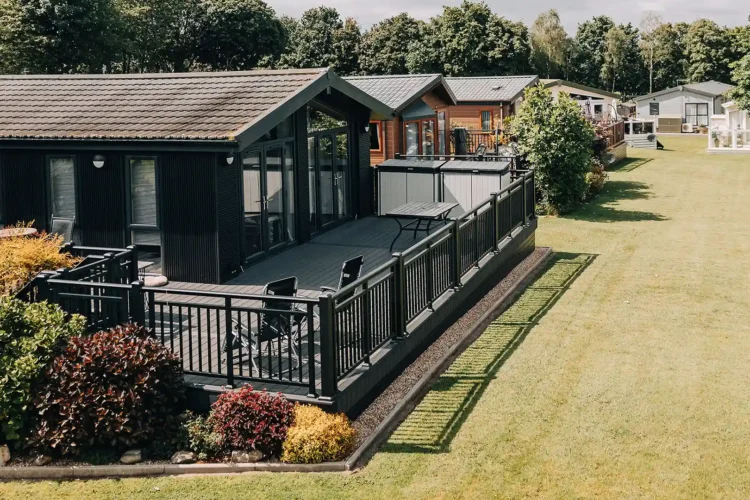
Merley House Holiday Park provides a setting that reflects this approach to visiting Dorset. Set within landscaped grounds, our park offers a quieter, more established environment, designed for comfort, space, and consistency throughout each stay.
Guests can enjoy on-site facilities alongside holiday homes available for short stays or longer-term ownership, offering the flexibility to return throughout the year and experience the area more fully.
Call 01202 883823 or arrange a private visit to experience Merley House and explore Dorset with greater ease and continuity.
External Sources
[1] Visit Dorset, Discover Wimborne and Rural Dorset on Our 3 Day Itinerary: https://www.visit-dorset.com/blog/post/discover-wimborne-and-rural-dorset/
[2] The National Trust, The History of Kingston Lacy: https://www.nationaltrust.org.uk/visit/dorset/kingston-lacy/the-history-of-kingston-lacy
[3] VisitBritain, What’s New in England 2026: https://www.visitbritain.org/sites/ind/files/2026-03/What%27s%20New%20in%20England%202026.pdf
[4] GOV.UK, Wimborne Minster Town Council, Wimborne Minster Named Dorset’s Town of Culture 2026: https://www.wimborne.gov.uk/2025/12/wimborne-minster-named-dorsets-town-of-culture-2026/
[5] GOV.UK, Dorset Council, Stour Valley Way: https://www.dorsetcouncil.gov.uk/w/stour-valley-way
[6] GOV.UK, Dorset Council, Climate and Ecological Emergency Strategy – Natural Assets: https://www.dorsetcouncil.gov.uk/w/climate-ecological-emergency-strategy-natural-assets