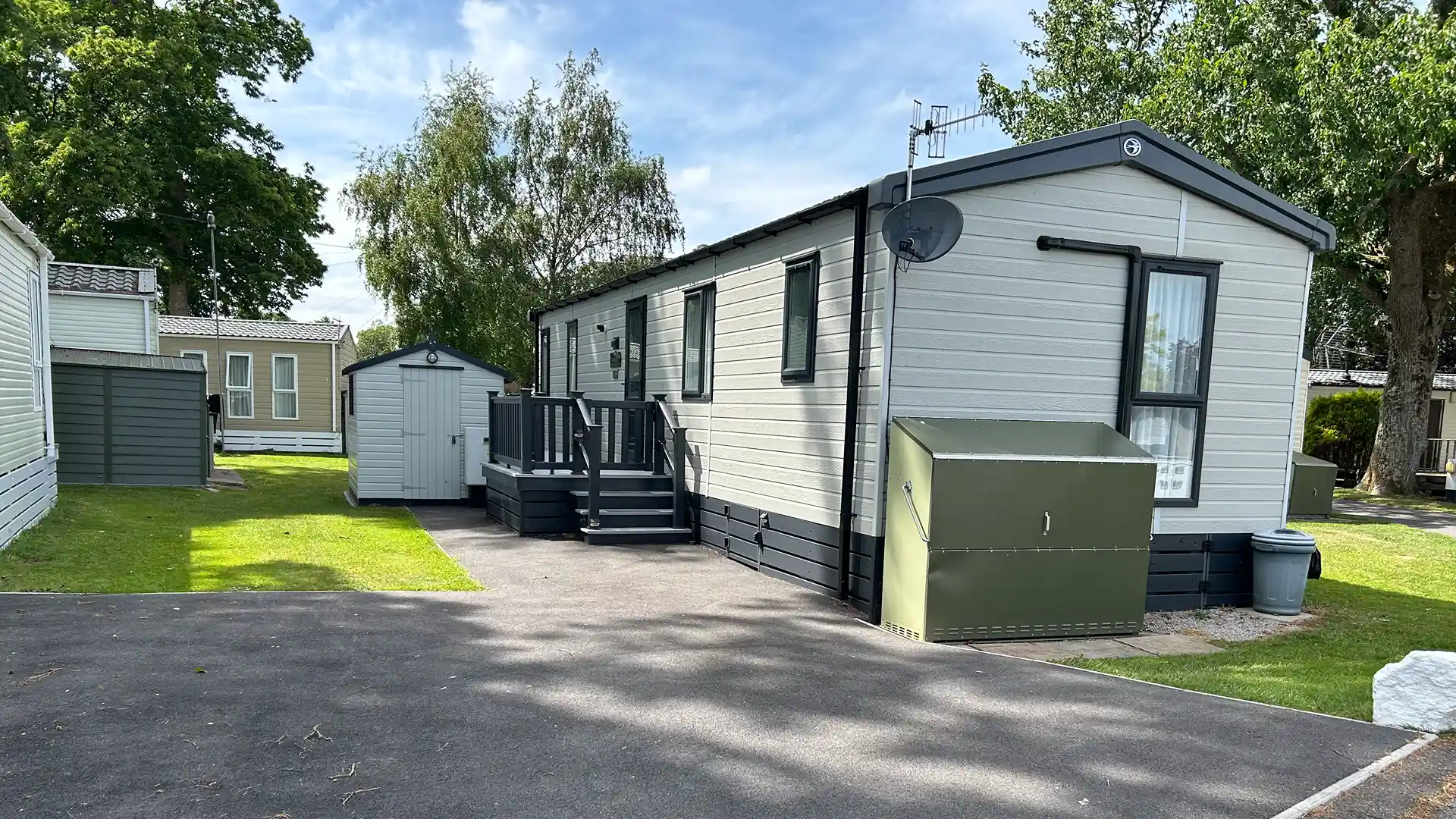
What Holiday Home Site Fees Cover for a Dorset Holiday Home
Key services, plus utilities, insurance and maintenance

Holiday home site fees are often one of the first costs prospective owners want to understand. Clear information at this stage helps people plan ownership with confidence and avoid uncertainty later on.
In practical terms, holiday home site fees are an annual charge that covers the shared management and upkeep of a holiday park. They support essential services and estate care, helping ensure the environment remains safe, well-maintained, and consistent throughout the year. This understanding is particularly important for those comparing a Dorset holiday home for sale with alternatives such as second homes or regular holiday rentals.
To give a full picture of ownership costs, it is helpful to begin with a breakdown of what site fees cover before discussing overall running costs at Merley House.
What Holiday Home Site Fees Actually Pay For
Holiday home site fees fund the shared services that licensed holiday parks are required to maintain. These fees cover the infrastructure and management that keep the park functioning smoothly throughout the year, without placing responsibility on individual owners.
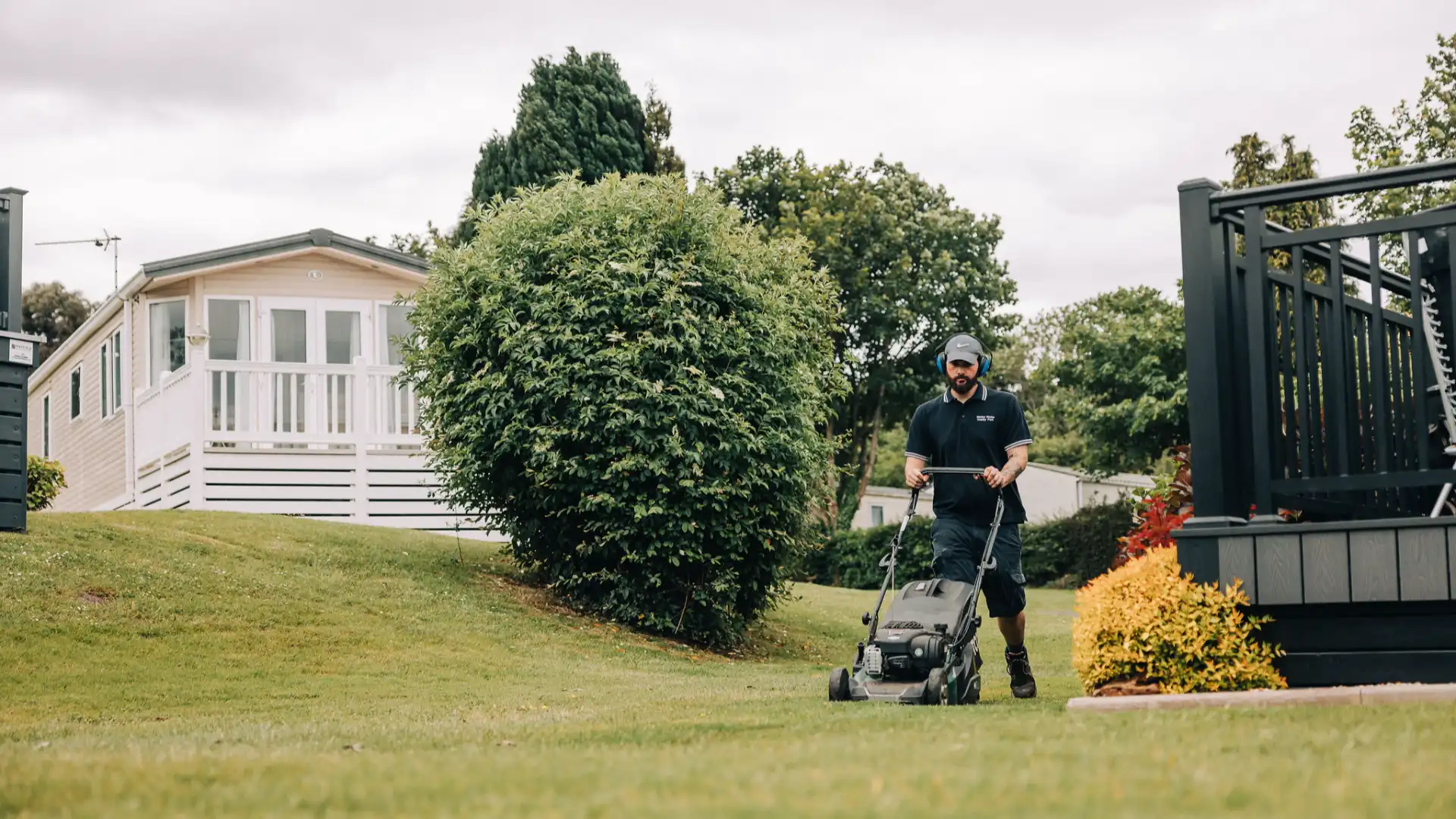
Our site fees support the ongoing care of landscaped grounds, internal roads, communal areas, and on-site management. This ensures the park remains consistent in both appearance and operation, allowing owners to enjoy their holiday home without day-to-day maintenance concerns.
Under the Mobile Homes Act 2013, local authorities license and enforce standards across holiday parks in England [1]. GOV.UK guidance sets out expectations for road maintenance, drainage, lighting, waste facilities, communal areas, and transparent site management, all designed to protect residents and ensure parks operate responsibly.
In practice, holiday home site fees typically contribute to:
- Grounds and landscaping maintenance
- Internal roads, lighting, drainage, and signage
- Waste management and communal area upkeep
- On-site management, administration, and oversight
- Estate-wide services required to meet licensing standards
Annual Running Costs Owners Should Plan For
Alongside holiday home site fees, owners should plan for a small number of ongoing running costs. These costs are generally predictable and relate closely to how often the holiday home is used. Utilities such as electricity, gas, and water are typically charged based on usage. Seasonal patterns, frequency of stays, and the efficiency of the holiday home all influence overall consumption.
Insurance is another key consideration. Most owners arrange cover for both the structure and contents of their holiday home. MoneyHelper explains that home insurance is designed to cover the cost of repairing or replacing property and belongings following events such as fire, flood, storm damage, or theft [2]. Policies usually include an excess, commonly between £50 and £250, which is paid when making a claim.
Routine maintenance is also worth budgeting for. Annual servicing, such as heating checks, helps maintain performance and reduces the likelihood of larger repairs over time. Council tax and local charges depend on how a holiday home is classified and how the park operates. This is usually clarified during the buying process to keep costs clear. For those comparing different home styles, we explain how running costs can vary depending on the type and specification of the holiday home for sale.
What Affects the Total Cost of Ownership
While annual costs remain relatively stable, many owners think about total cost in terms of how ownership fits into their wider routine. Rather than focusing on individual expenses, planning often centres on how frequently the holiday home is used and how it supports regular time away.
Over time, most owners develop a clear pattern of visits, whether that means short breaks spread across the year or longer seasonal stays. This rhythm makes costs easier to anticipate and align with personal habits, rather than treating ownership as a series of isolated expenses.
Our team supports this longer-term view by providing clear information during the buying process, helping owners consider how ownership costs sit alongside travel plans, household spending, and leisure time.
Common Questions About Holiday Home Site Fees
Questions about holiday home site fees often arise when people move from early interest to active consideration. At this stage, clarity around documentation, timing, and communication becomes more important than headline figures.
Fee details are typically provided during the buying process, with written information setting out what is included, how reviews are handled, and when updates are shared. This allows prospective owners to factor in costs before making a commitment.
If you head to our FAQs page, this information forms part of an open ownership conversation, and is supported by clear guidance and ongoing communication. This approach helps ensure decisions are made with full visibility rather than assumptions.
Discuss Ownership at Merley House
Understanding holiday home site fees helps prospective owners decide whether ownership aligns with their expectations and lifestyle. When costs are clearly explained and well managed, it becomes easier to focus on how a Dorset holiday home fits into everyday life.
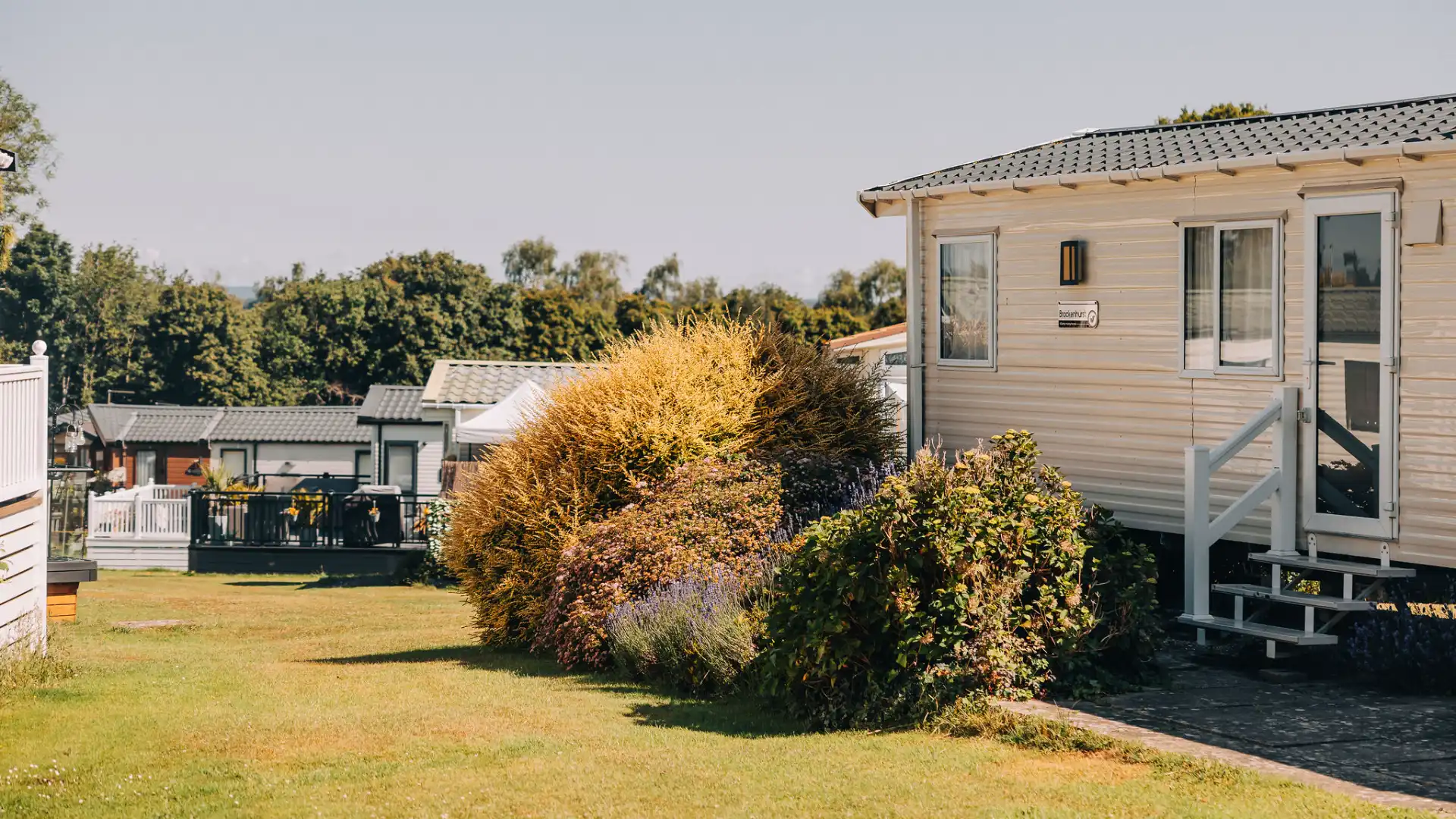
At Merley House, site fees support the long-term care of the park, from landscaped grounds and a historic estate setting to the work of an experienced on-site team. This consistent approach underpins an ownership experience that feels settled, familiar, and well supported.
Call 01202 883823 or arrange a consultation to discuss holiday home ownership at Merley House in more detail and explore whether it is the right fit for you.
External Sources
[1] GOV.UK, “Mobile Homes Act 2013”: https://www.gov.uk/government/publications/mobile-homes-act-2013-a-best-practice-guide-for-local-authorities-on-enforcement-of-new-site-licensing-regime/mobile-homes-act-2013-a-best-practice-guide-for-local-authorities-on-enforcement-of-the-new-site-licensing-regime
[2] MoneyHelper, “home insurance is designed to cover the cost of repairing or replacing property and belongings”: https://www.moneyhelper.org.uk/en/everyday-money/insurance/home-insurance-how-to-get-the-best-deal